

Comprehensive metabolic panel
Blood test assessing vital organ health
- 2 min read
- 2 chapters

Related on Lably
Through Kidney, Liver and Electrolyte
This type of screening has its limitations. Abnormal values from a CMP are often the result of false positives and thus the CMP may need to be repeated (or a more specific test performed), requiring a second blood drawing procedure and possibly additional expense for the patient, even though no disease is present.
The CMP is an expanded version of the basic metabolic panel (BMP), which does not include liver tests. A CMP (or BMP) can be ordered as part of a routine physical examination, or may be used to monitor a patient with a chronic disease, such as diabetes mellitus or hypertension.
Also known as SMA12+2 test, the CMP has previously been known as Chem 12, Chemistry panel, Chemistry screen, SMA 12, SMA 20 and SMAC (Sequential Multiple Analysis - Computer). The tests are performed on machines based on the AutoAnalyzer invented in 1957.
Testing
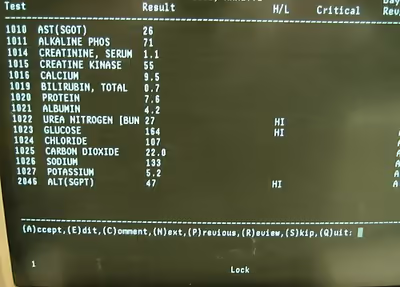
Typically, the patient fasts for ten or twelve hours before the blood is drawn for the test—this is particularly important for getting a useful blood glucose measurement. CMPs are also frequently performed on nonfasting patients, but the glucose level in those cases is not as useful. The following tests are then performed:
General tests
These tests help screen for a wide variety of problems. The blood glucose test in particular helps screen for diabetes mellitus and pre-diabetes. The calcium test can indicate or monitor bone diseases or diseases of the parathyroid gland or kidneys. Calcium salts, lithium, thiazide diuretics, thyroxine, and vitamin D can all increase levels and may interfere with this test.
Kidney function assessment
Electrolytes
Electrolyte levels and the balance among them are tightly regulated by the body. Both individual values and ratios among the values are significant; abnormalities among either can indicate problems such as an electrolyte disturbance, acid-base imbalance, or kidney dysfunction.
Protein tests
Tests of protein levels in the blood help screen for both kidney and liver disorders.
Liver enzymes
- Bilirubin
- Alkaline phosphatase (ALP)
- Aspartate amino transferase (AST or SGOT)
- Alanine amino transferase (ALT or SGPT)
Sign in to keep reading
One more chapter is free with a Lably account.
Results
The National Institutes of Health provides ranges considered within normal limits, though optimal levels may vary by individual.
Compare also the ranges given at Reference ranges for blood tests.