

Sports medicine
Branch of medicine for training and sports injuries
- 8 min read
- 9 chapters

Related on Lably
Through Physical activity
In the majority of countries where sports medicine is recognized and practiced, it is a physician (non-surgical) specialty, but in some (such as the USA), it can equally be a surgical or non-surgical medical specialty, and also a specialty field within primary care. In other contexts, the field of sports medicine encompasses the scope of both medical specialists as well as allied health practitioners who work in the field of sport, such as physiotherapists, athletic trainers, podiatrists and exercise physiologists.
Scope
Sports medicine can refer to the specific medical specialty or subspecialty of several medical and research disciplines in sports. Sports medicine may be called Sport and Exercise Medicine (SEM), which is now well established in many countries. It can broadly also refer to physicians, scientists, trainers, and other paramedical practitioners who work in a broad setting. Sports medicine specialists include a broad range of professions. All sports medicine specialists have one main goal in mind, to heal and rehabilitate injuries for return to everyday life and return to play, as well as to prevent future injuries. They work with all different types of people, and not just athletes. The various sports medicine experts often work together as a team to ensure the best recovery plan for the individual. Team members can include orthopedic surgeons, certified athletic trainers, sports physical therapists, physical medicine and rehabilitation specialists, and specialty SEM physicians. Research within the field is also highly multidisciplinary. A 2023 systematic review noted a 12.1% increase in female authorship in major orthopedic sports medicine journals, with nearly 60% of this growth driven by professionals holding degrees other than an MD.
Specializing in the treatment of athletes and other physically active individuals, SEM physicians have extensive education in musculoskeletal medicine. SEM doctors treat injuries such as muscle, ligament, tendon and bone problems, but may also treat chronic illnesses that can affect physical performance, such as asthma and diabetes. SEM doctors also advise on managing and preventing injuries.
European templates for SEM specialization generally recommend four years of experience in:
- internal medicine with special emphasis on cardiology, emergency medicine and clinical nutrition
- orthopedics and traumatology
- physical and rehabilitation medicine
- fellowship at a recognized sports medicine centre.
Related medical specialties
- Exercise medicine
- Podiatry
- Sports cardiology
- Emergency medicine
- Lifestyle medicine
- General practice
- Adolescent medicine
- Physical medicine and rehabilitation
- Rheumatology
- Orthopaedic sports medicine
- Pediatrics
- Occupational medicine
Sign in to keep reading
8 more chapters are free with a Lably account.
Establishment as a medical specialty
Historical roots of sports medicine
Although sports medicine was only established formally as a specialty in the 20th Century, the history of doctors having involvement in treating athletes goes back to ancient times in Greek, Roman and Egyptian societies.
Modern establishment of the specialty
Continental European countries were the first to establish medical groups with a focus on sport in the earliest part of the 20th Century. Possibly the earliest establishment of a society of Sports Medicine was the DGSP in Germany in 1912. The Italian version of this page Medicina dello sport states that Sports Medicine societies were first established in Switzerland (1922) followed by France (1929) and Italy (1929) (Italian Sports Medicine Federation). In Germany in the 1920s, an attempt was made to upskill thousands of doctors and other health professionals in sport and exercise medicine, without establishing it as a distinct specialty at that stage, but it failed due to lack of funding in the Depression. Sports medicine was established as a distinct specialty in Italy, the first country to do so, in 1958. The European Union of Medical Specialists has defined necessary training requirements for the establishment of the specialty of Sports Medicine in a given European country. In May 2024, the EU approved cross recognition of sports medicine qualifications between 11 different countries. It is a goal of the European Federation of Sports Medicine Associations to eventually establish Sports Medicine as a specialty in all European countries.
In Australia and New Zealand, Sport and Exercise Medicine (SEM) is a stand-alone medical specialty, with the Australasian College of Sport and Exercise Physicians being one of Australia's 15 recognized medical specialty Colleges. Australia, New Zealand and the UK have been cited as pioneer countries in the establishment of SEM as a stand-alone specialty.
The USA (and many other countries) follow the model of recognizing Sports Medicine as an official subspecialty of multiple other primary medical specialties. The most common primary specialties prior to a sports medicine subspecialty in the USA are family practice, orthopedics and physiatry.
Public health
SEM physicians are frequently involved in promoting the therapeutic benefits of physical activity, exercise and sport for the individuals and communities. SEM Physicians in the UK spend a period of their training in public health, and advise public health physicians on matters relating to physical activity promotion.
Common sports injuries
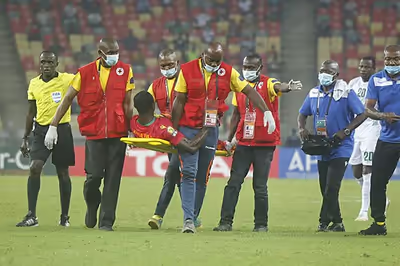
Common sports injuries that can result in seeing a sports medicine specialist are knee and shoulder injuries, fractures, ankle sprains, concussions, cartilage injuries, and more. A sports medicine specialist can also be seen for advice in other areas of health, like nutrition, exercise, supplements, and how to prevent injuries before they occur. A sports medicine specialist works to help make the performance of the athlete more advanced, as well as ensuring their safety while performing the activity. Sports injuries generally affect soft tissue or bones within the body and are commonly treated without surgery.
Treatment for sports injuries
Different types of sports injuries require different treatments and major injuries involve surgery, but most do not. Common treatments include medication, such as pain relievers or anti-inflammatory medication, icing, physical therapy, and/or immobilization of the injured area. Physical therapy is used to get the injured area back into regular movements and to reduce the discomfort of the affected area. PRICE is an acronym that is used for the common treatment of these injuries. It stands for protection, rest, ice, compression, and elevation.
Prevention of injuries
Sport injuries can be prevented or reduced in severity through well-designed physical therapy. Examples can include structured strength and conditioning programs that strengthens stabilizing joints and muscles to prevent sprains, and the core and upper torso muscles to build up the rib cage's resilience to prevent or attenuate rib fractures and contusions during sporting incidents. In addition, nutritional guidance, mental conditioning, and regular monitoring and assessments can help optimize an athlete's recovery and improve their self-awareness in knowing when they are pushing their bodies too hard and to make informed decisions during training and competition.
Controversies in sports medicine
Concussion in sport
The management of concussion in sport has been extremely controversial over the past 20 years due to the discovery and reporting of Chronic traumatic encephalopathy as a disease that is common in ex-athletes, particularly footballers. Sporting codes have been accused of being complicit in understating the long-term damage caused by concussions by allowing too many head impacts to occur and for the players to be able to return to play too quickly after received concussions. A seminal series of consensus papers has been the international guidelines on the management of concussion in sport. These consensus statements have been seen on the positive side as being sports medicine leaders moving the management of concussion in a more conservative direction over time and encouraging a standard set of tests and assessments. On the negative side, they have been seen as conflicted and allowing return to play too rapidly.
Transgender people in sport
A social debate exists over where transgender athletes should compete when it comes to single-gender competitive or professional sports teams. A movement led by conservatives has contributed to sports bans for trans athletes on local, national, and international levels. Scientific studies have shown similar levels of fitness between female cisgender and female transgender athletes.
Drugs in sport
Doping in sport has a long history with doctors in the sports medicine world being both heroes and villains on different occasions. The presence of trained sports medicine professionals at elite sporting events has been critical in the fight against doping, but sometimes doctors become the enablers of doping and are part of the scandal themselves.
Sports scandals involving medicine
Major scandals where doctors were prominent include:
- Bloodgate
- USA Gymnastics sex abuse scandal
- Operación Puerto doping case
- Biogenesis scandal
- Eva Carneiro scandal, involving Chelsea F.C. and José Mourinho
Allied health team members
Different medical professionals for sports injuries require different forms of training, but for sports injuries, they mainly all work with the diagnosis and treatment of these injuries. All sports medicine professionals work with people of all age ranges, professional athletes, or even adolescents playing any sport. The main two allied health professions for sports injuries are athletic trainers (in the USA) and physical therapists (physiotherapists) in most other countries.
Athletic trainer
Athletic trainers are typically part of a sports medicine team in the US in particular, providing primary care, injury and illness prevention, wellness promotion, emergency care, therapeutic intervention and rehabilitation to injuries. When an athlete is injured, an athletic trainer is key to treatment and rehabilitation working closely with the athlete throughout rehabilitation. Athletic trainers are often the ones who assess the injury first and provide initial care.
Physiotherapist
Physiotherapists are a primary sports medicine team member in most countries of the world. Physiotherapists can specialize in many areas with sports physiotherapy as a major subspecialty. Physiotherapists are a main factor in the recovery stage of an injury as they set up an individualized recovery plan. Physiotherapy is underfunded within most health systems so that it is generally much more accessible in higher-income countries and, even within these countries, is much more accessible to higher-income earners. In countries like Denmark and Australia there are many more physiotherapists than in lower-income countries.
Podiatrist
Podiatrists treat issues related to the foot or ankle, which is a common area where athletes get injuries. They specialize in the diagnosis and treatment of foot-related issues by performing tests and referring physical therapists. Podiatrists can also perform surgeries or prescribe medication as forms of treatment.
Other practitioners
Exercise physiologists, strength and conditioning coaches, personal trainers, chiropractors, osteopaths, sports psychologists, and sports nutritionists or dietitians can be part of the sports medicine team.