


Related on Lably
Through Muscle, Signs and symptoms and Disease
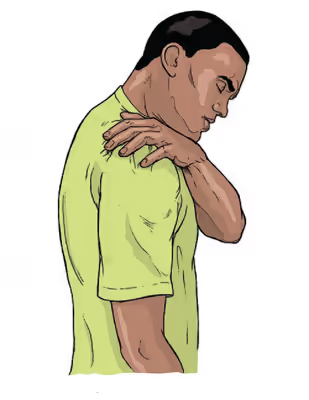
Long-lasting myalgia can be caused by metabolic myopathy, some nutritional deficiencies, ME/CFS, fibromyalgia, and amplified musculoskeletal pain syndrome.
Causes
The most common causes of myalgia are overuse, injury, and strain. Myalgia might also be caused by allergies, diseases, medications, or as a response to a vaccination. Dehydration at times results in muscle pain as well, especially for people involved in extensive physical activities.
Muscle pain is also a common symptom in a variety of diseases, including infectious diseases, such as influenza, muscle abscesses, Lyme disease, malaria, trichinosis or poliomyelitis; autoimmune diseases, such as celiac disease, systemic lupus erythematosus, Sjögren's syndrome or polymyositis; and gastrointestinal diseases, such as non-celiac gluten sensitivity (which can also occur without digestive symptoms) and inflammatory bowel disease (including Crohn's disease and ulcerative colitis).
The most common causes are:
- Injury or trauma, including sprains, hematoma
- Overuse: using a muscle too much, too often, including protecting a separate injury
- Chronic tension
Muscle pain occurs with:
- Rhabdomyolysis, associated with:
- Viral infections
- Compression injury leading to crush syndrome
- Drug-related
- Commonly fibrates and statins
- Occasionally ACE inhibitors, cocaine, and some retroviral drugs
- Severe potassium deficiency
- Fibromyalgia
- Ehlers–Danlos syndrome
- Auto-immune disorders, including:
- Mixed connective tissue disease
- Systemic lupus erythematosus
- Polymyalgia rheumatica
- Polymyositis
- Dermatomyositis
- Multiple sclerosis (neurologic pain localised to myotome)
- Infections, including:
- Influenza
- Lyme disease
- Babesiosis
- Malaria
- Toxoplasmosis
- Dengue fever
- Hemorrhagic fever
- Muscular abscess
- Compartment syndrome
- Polio
- Rocky Mountain spotted fever
- Trichinosis (roundworm)
- Ebola
- COVID-19
- Other
- Postorgasmic illness syndrome (POIS)
Overuse
Overuse of a muscle is using it too much, too soon or too often. One example is repetitive strain injury.
Injury
The most common causes of myalgia by injury are sprains and strains.
Autoimmune
- Multiple sclerosis (neurologic pain interpreted as muscular)
- Myositis
- Mixed connective tissue disease
- Lupus erythematosus
- Fibromyalgia syndrome
- Familial Mediterranean fever
- Polyarteritis nodosa
- Devic's disease
- Morphea
- Sarcoidosis
Metabolic defect
- Carnitine palmitoyltransferase II deficiency
- Conn's syndrome
- Adrenal insufficiency
- Hyperthyroidism
- Hypothyroidism
- Diabetes
- Hypogonadism
- Postorgasmic illness syndrome
Other
- Myalgic encephalomyelitis/chronic fatigue syndrome (ME/CFS)
- Channelopathy
- Ehlers–Danlos syndrome
- Stickler syndrome
- Hypokalemia
- Hypotonia
- Exercise intolerance
- Mastocytosis
- Peripheral neuropathy
- Eosinophilia myalgia syndrome
- Barcoo fever
- Herpes
- Hemochromatosis
- Delayed onset muscle soreness
- HIV/AIDS
- Generalized anxiety disorder
- Tumor-induced osteomalacia
- Hypovitaminosis D
- Infarction
Withdrawal syndrome from certain drugs
Sudden cessation of high-dose corticosteroids, opioids, barbiturates, benzodiazepines, caffeine, or alcohol can induce myalgia.
Sign in to keep reading
One more chapter is free with a Lably account.
Treatment
When the cause of myalgia is unknown, it should be treated symptomatically. Common treatments include heat, rest, paracetamol, NSAIDs, massage, cryotherapy and muscle relaxants.