


Related on Lably
Through Australia, World War II and Carbohydrate
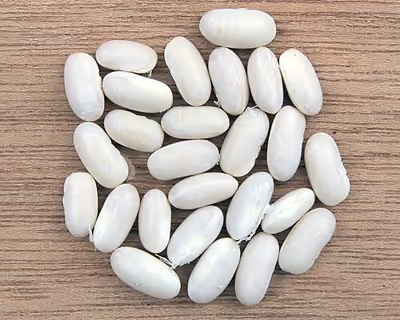
The plants that produce navy beans may be either of the bush type or vining type, depending on the cultivar.
History
The name "Navy bean" is an American term coined because the US Navy has served the beans as a staple to its sailors since the mid-1800s.
In Australia, navy bean production began during World War II when it became necessary to find an economical way of supplying a nutritious food to the many troops—especially American troops—based in Queensland. The United States military maintained a large base in Kingaroy and had many bases and camps throughout south-east Queensland. It actively encouraged the widespread planting of the beans. Kingaroy is known as the Baked Bean Capital of Australia. Another popular name for the bean during this time was "the Yankee bean".
Sign in to keep reading
4 more chapters are free with a Lably account.
Cultivars
Navy bean cultivars include:
- Rainy River
- Robust, resistant to the bean common mosaic virus, which is transmitted through seeds
- Michelite, descended from Robust, but with higher yields and better seed quality
- Sanilac, the first bush navy bean cultivar
Nutrition
Cooked (boiled) navy beans are 64% water, 26% carbohydrates, 8% protein, and less than 1% fat (table). In a reference amount of 100 g (3.5 oz), cooked navy beans supply 140 calories of food energy, 10 g (0.35 oz) of dietary fiber, and are a rich source (20% or more of the Daily Value, DV) of folate, thiamine, copper, and manganese (20-35% DV). They are a moderate source (10-19% DV) of several dietary minerals (table).
Phytochemicals
White bean phytochemicals include phosphatidylserine, apigenin, saponins, ferulic acid, and p-coumaric acid.
Storage and safety
Dried and canned beans stay fresh longer by storing them in a pantry or other cool, dark place under 75 °F (24 °C). With normal seed storage, seeds should last from one to four years for replanting. Seeds stored under good conditions can be stored almost indefinitely before cooking. Beans that are discolored from the pure white color should be avoided, as they may have been poorly handled while they dried.