

Bordetella pertussis
Species of bacterium causing pertussis or whooping cough
- 17 min read
- 10 chapters

Related on Lably
Through Gram-negative bacteria, Genome and Electron transport chain
B. pertussis is an obligate human pathogen and is transmitted through airborne droplets. The disease's incubation period averages 7–10 days, however the range is anywhere from 6–20 days. The bacterium attaches to the ciliated epithelial cells lining the respiratory tract using specialized surface proteins to remain in place. It then releases toxins that disrupt normal cellular functions and cause symptoms in its human host, the only known reservoir for B. pertussis.
The complete B. pertussis genome of 4,086,186 base pairs was published in 2003. This is smaller than the closely-related species B. bronchiseptica, with a genome of 5.2 million base pairs. On the other hand, similarly to B. bronchiseptica, B. pertussis can express a flagellum-like structure, although it is normally classified as nonmotile bacterium.
Taxonomy
The genus Bordetella contains nine species: B. pertussis, B. parapertussis, B. bronchiseptica, B. avium, B. hinzii, B. holmesii, B. trematum, B. ansorpii, and B. petrii.
B. pertussis, B. parapertussis and B. bronchiseptica form a closely related phylogenetical group. B. parapertussis causes a disease similar to whooping cough in humans, and B. bronchiseptica infects a range of mammal hosts, including humans, and causes a spectrum of respiratory disorders.
Sign in to keep reading
9 more chapters are free with a Lably account.
Evolution
The disease pertussis was first described by French physician Guillaume de Baillou after the epidemic of 1578. The disease may have been described earlier in a Korean medical textbook. The causative agent of pertussis was identified and isolated by Jules Bordet and Octave Gengou in 1906. It is believed that the genus Bordetella may have evolved from ancestors that could survive in the soil according to 16S rRNA gene sequencing data. 16S rRNA is a component of all bacteria that allows for the comparison of phyla within a sample. The expansion of human development into the agricultural field caused there to be an influx of human to soil contact. This increase not only created more advantageous environments for the ancestors of Bordetella not only to thrive in, but to spread to humans as well. B. pertussis is able to persist among infants and young children in spite of high vaccination rates. There have been global outbreaks within the past decade. In 2012, epidemic outbreaks in Canada, Australia, France, the UK, Japan, and the USA were prevalent. The cases of B. pertussis in Africa are seemingly unpublished, but on the rise as they primarily target infants and young children.
It was initially determined that B. pertussis is a monomorphic pathogen in which the majority of strains found had the same two types of alleles: ptxA1 or ptxA2. Modern developments in genome sequencing have allowed B. pertussis to be studied more allowing for the discovery of the ptxP region. Through studying the gene, there has been evidence of mutations within the gene that show missing genomes present on the DNA strand. A study by Bart et al. revealed that 25% of the genes on the Tohama I reference strain of the B. pertussis sequence were missing in comparison to the ancestral strains. These mutations were noted to be caused by an increase in intragenomic recombination with loss of DNA. Genes controlled by the BvgAS system have transformed B. pertussis into a much more contagious pathogen. In particular, strains with the ptxP3 allele, that developed through mutations in recent years, have an increased expression of toxins. Ultimately, this leads to higher acuteness of the disease when contracted. This has caused an upwards trend of most cases of B. pertussis being the ptxP3 strain, especially in developing countries. Since the 1990s, most cases in developed countries such as the United States have ptxP3 isolates rather than the ptxA1 causing it to become the more dominant strain. This can be seen post-COVID-19 with a surge in B.pertussis among older children in Asian countries, with a hot spot in Singapore. The most recent evolution of the ptxP3 is MS-MT28 strain that has been identified in vaccinated older children in Singapore. However, this strain not only belongs to the ptxP3 lineage but also to the ptxA1. New discoveries found 98% of ptxA1 and 50% of ptxP3 strands being MRBP, these lineages are the foundations of where this new MS-MT28 evolved from. The core of MS-MT28 is the MT28 clone which was spread to China in 2007 from Europe. It is inferred that Europe is the birth place of this clone, MT28, in 2003 that eventually spread all around the world, ending up in China in 2007. Based on this study, it was concluded that the rising rapid rates of cases in older children in Singapore and other parts of China post-COVID-19 could be based on the children integrating back with society after a prolonged lockdown period. These cases arose very quickly and did not have high hospitalization rates, which was unprecedented.
Growth requirements
Bordetella pertussis prefers aerobic conditions in pH range of 7.0–7.5, optimal to thrive in the human body. The max pH level for their growth was at a pH level of 8.0. The minimum pH range for minimal growth was at pH 6.0-6.5. The bacteria are not able to reproduce at pH levels lower than 5.0.
In addition, Bordetella pertussis favors a temperature range of 35 °C to 37 °C. This species is a strict aerobe and its nutritional requirements are meticulous in its requirement for nicotinamide supplement. It has been identified that the growth of the bacteria is hindered in the presence of fatty acids, peroxide media, metal ions, and sulfides.
As a strict aerobe, the bacterium requires oxygen to grow and sustain. Such aerobes undergo cellular respiration to metabolize substances using oxygen. In such respiration, the terminal electron acceptor for the electron transport chain is oxygen. The organism is oxidase positive, but urease, nitrate reductase, and citrate negative.
B. pertussis is not exclusively an extracellular pathogen, meaning that it not only grows outside the cell, it can efficiently adapt to an internal environment. It also lowers the level of its BvgAS two-component system, which leads to an expression of virulence genes and an avirulent phenotype. In addition, it can adjust the central and energy metabolism, cell wall reinforcement, maintenance of appropriate redox and metal homeostasis, and repair of damaged macromolecules. Studies have also shown mutants lacking cysteine dioxygenase genes displaying attenuated cytotoxicity toward THP-1 cells, which highlights the role of sulphur metabolism in host-pathogen interactions.
Metabolism
B. pertussis presents unique challenges and opportunities for metabolic modeling, especially given its reemergence as a pathogen. Elevated glutamate levels were found to slow growth due to oxidative stress, revealing a complex relationship. This effect is compounded by observations suggesting that a small starting population could amplify oxidative stress through quorum sensing, a phenomenon deserving further investigation.
When B. pertussis is in a balanced medium of lactate and glutamate that does not accumulate ammonium, a partially faulty citric acid cycle in B. pertussis and its ability to synthesize and break down β-hydroxybutyrate is observed. Cultivating B. pertussis in this medium resulted in some production of polyhydroxybutyrate but no excretion of β-hydroxybutyrate, indicating a more efficient conversion of carbon into biomass compared to existing media formulations.
In biofilm conditions, B. pertussis cells exhibited increased toxin levels alongside reduced expression of certain proteins, indicating a metabolic shift towards utilizing the full tricarboxylic acid (TCA) cycle over the glyoxylate shunt. These changes correlated with heightened polyhydroxybutyrate accumulation and superoxide dismutase activity, potentially contributing to prolonged survival in biofilms. The interplay between protein expression and metabolic responses highlights the intricate mechanisms influencing B. pertussis growth and adaptation. Despite a less negative energy profile compared to host tissues like the human respiratory system, B. pertussis efficiently couples biosynthesis with catabolism, sustaining robust growth even after extended incubation periods.
B. pertussis cannot use sugars as a carbon source, so amino acids are used, the main and efficient one being glutamate. Glutamate goes through the TCA cycle once converted by glutamate dehydrogenase. It can also be used for other pathways such as gluconeogenesis.
Host species
Humans are the only host species of B. pertussis. B. pertussis is able to survive intracellularly in the phagocytic cell of a mammal. B. pertussis releases proteins to aid in metabolism, stress response, iron uptake, and regulation, which permit for the bacteria's resilience to survive. Depending on the host cell, B. pertussis is able to survive in human macrophages and epithelial cells for three days. B. pertussis can gain iron from its host proteins which is a way it adapts metabolically. In iron starved conditions, B. pertussis adapts by increasing iron regulating systems such as the Bhu system which promotes heme later on in infection. Iron is acquired through the production of siderophores or from heme. If iron starved, this could cause the pathogen to be metabolically stressed.
Outbreaks of whooping cough have been observed among chimpanzees in a zoo, and wild gorillas; in both cases, it is considered likely that the infection was acquired as a result of close contact with humans. Several zoos have a long-standing custom of vaccinating their primates against whooping cough.
Research shows that some primate species are highly sensitive to B. pertussis, and developed a clinical whooping cough in high incidence when exposed to low inoculation doses. Whether the bacteria spread naturally in wild animal populations has not been confirmed satisfactorily by laboratory diagnosis. In research settings, baboons have been used as a model of the infection although it is not known whether the pathology in baboons is the same as in humans.
Pertussis
Pertussis is an infection of the respiratory system characterized by a "whooping" sound when the person breathes in. B. pertussis infects its host by colonizing lung epithelial cells. The bacterium contains a surface protein, filamentous haemagglutinin adhesin, which binds to the sulfatides found on cilia of epithelial cells. Other adhesins are fimbriae and petractin. Once anchored, the bacterium produces tracheal cytotoxin, which stops the cilia from beating. This prevents the cilia from clearing debris from the lungs, so the body responds by sending the host into a coughing fit. B. pertussis can inhibit the function of the host's immune system. The toxin, known as pertussis toxin, inhibits G protein coupling that regulates an adenylate cyclase-mediated conversion of ATP to cyclic adenosine monophosphate. The result is that phagocytes convert too much adenosine triphosphate to cyclic adenosine monophosphate, causing disturbances in cellular signaling mechanisms, and preventing phagocytes from correctly responding to the infection. Pertussis toxin, formerly known as lymphocytosis-promoting factor, causes a decrease in the entry of lymphocytes into lymph nodes, which can lead to a condition known as lymphocytosis, with a complete lymphocyte count of over 4000/μl in adults or over 8000/μl in children. Besides targeting lymphocytes, it limits neutrophil migration to the lungs. It also decreases the function of tissue-resident macrophages, which are responsible for some bacterial clearance.
The infection of B. pertussis occurs mostly in children under the age of one since this is when they are unimmunized, or children with faded immunity, normally around the ages 11 through 18. The signs and symptoms are similar to a common cold: runny nose, sneezing, mild cough, and low-grade fever. The patient becomes most contagious during the catarrhal stage of infection, normally two weeks after the coughing begins. It may become airborne when the person coughs, sneezes, or laughs. The paroxysmal cough precedes a crowing inspiratory sound characteristic of pertussis. After a spell, the patient might make a "whooping" sound when breathing in or may vomit. Transmission rates are expected to rise as the host experiences their most contagious stage when the total viable count of B. pertussis is at its highest. After the host coughs, the bacteria in their respiratory airways will be exposed to the air by way of aerosolized droplets, threatening nearby humans. Because whooping cough triggers intense, repeated coughing fits, this process occurs frequently, making the disease extremely contagious in close-contact environments.
A human host can exhibit a range of physical reactions as a result of the B. pertussis pathogen, depending on how well their body is equipped to fight infection. Adults have milder symptoms, such as prolonged coughing without the "whoop". Infants less than six months also may not have the typical whoop. A coughing spell may last a minute or more, producing cyanosis, apnea, and seizures.
Transmission, infection, and virulence
Transmission and infection
B. pertussis is a highly contagious infection of the respiratory tract. Whooping Cough is estimated to have a basic reproduction number () of 12–17, making the bacteria a highly contagious pathogen. However, for B. pertussis to persist in a population the bacterium needs an uninterrupted chain of transmission as there are no animal reservoirs and the bacteria do not survive in the environment. B. pertussis primarily spreads through respiratory droplets, requiring direct contact between individuals due to its short survival time outside the body.
Virulence Factors
Colonization
Virulence factors of B. pertussis aid the microbe in its infection of the host. A component of the cell wall, filamentous hemagglutinin (FHA), was found to be the main factor in animal models for fastening to host cells. In human cases, the fimbriae and lipopolysaccharides of B. pertussis have also been postulated to act as adhesins along with FHA, attaching to ciliated epithelial cells in the respiratory tract.These include fimbriae that bind to specific integrin antigens that are abundant in the respiratory tract, which has been found to facilitate tracheal occupation in mice. The presence of host antibodies against the fimbriae is seen as a valuable factor in limiting the spread of infection and protection against initial infection.
Toxins
B. pertussis also produces a toxin referred to as PT or Pertussis Toxin. This toxin inhibits G protein signaling pathways within a host cell, effectively limiting their response to stimuli in the environment, leading to a diminished immune response to bacterial infection. PT has also been linked to leukocytosis, prevalent in cases of those with low immunity, and can lead to severe infection and mortality in infants. It was noted that between 1991 and 2008, there were 258 deaths for infants 8 months old and younger. Pertussis Toxin has also been used in acellular pertussis vaccines in its detoxified state.
Adenylate cyclase toxin is another enzyme produced by B. pertussis that allows it to avoid being killed by macrophages via nitric oxide by impeding the activity of immune cells.
Progression of disease
Pertussis manifests in three distinct stages. The dynamic progression of pertussis, characterized by its distinct phases from incubation to paroxysmal coughing, underscores the complexity of the disease's clinical manifestations and highlights the potential significance of toxin release in driving symptoms.
Following exposure, an incubation period of 5–7 days ensues before symptoms appear.
The catarrhal phase follows, characterized by cold-like symptoms lasting about a week, with a high isolation rate of the organism. This phase transitions into the paroxysmal phase, where the dry cough evolves into a severe, paroxysmal cough with mucous secretion and vomiting.
The coughing fits, characterized by efforts to expel respiratory secretions, may result in a distinctive whooping sound. Recovery of the organism diminishes significantly during this phase. Although the organism is seldom detected in the blood, it is theorized that the clinical symptoms primarily stem from toxin release. The paroxysmal phase typically persists for a minimum of 2 weeks.
Diagnosis
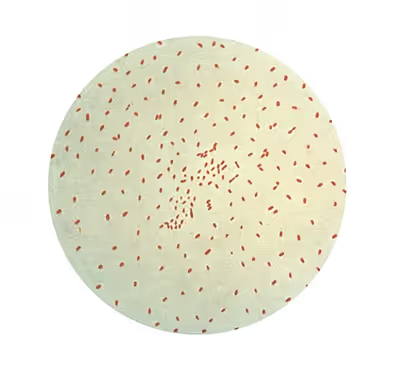
A nasopharyngeal swab or aspirate can be sent to the bacteriology laboratory for Gram stain (Gram-negative, coccobacilli, diplococci arrangement), with growth on Bordet–Gengou agar or buffered charcoal yeast extract agar with added cephalosporin to select for the organism, which shows mercury drop-like colonies. Endotracheal tube aspirates or bronchoalveolar lavage fluids are preferred for laboratory diagnostics due to their direct contact with the ciliated epithelial cells and higher isolation rates of the pathogen.
Laboratory diagnostic methods used to identify B. pertussis:
- Serology
- Identification of specific agglutinating antibodies in the patient's blood serum with a high sensitivity and specificity rate.
- Able to detect the level of virulence and measure the immune response to the pathogen.
- Recommend those corresponding to the catarrhal phase of the illness. Not used in infants due to delay of positive results, often indicating the disease has progressed.
- Sparked the development of ELISA kits.
- Microbiological culture
- Known for high specificity, the ability to subtype the colonies presented, and limited sensitivity. Ideal for antimicrobial-resistant monitoring. Specificity results can be affected by age, immunization status, duration of symptoms, and even specimen handling.
- It is very difficult to cultivate separate pathogens and only high bacterial loads can lead to a positive culture. The ideal stage for isolation is the catarrhal stage or the beginning of the paroxysmal stage. Vaccinated persons also have a lower rate of isolation.
- Plates are incubated at 36 °C under high humidity for 7–10 days before obtaining results.
- Classical PCR assay
- Being the test of choice, this procedure is known for its quick and high sensitivity, however; often inaccurate when identifying between Bordetella species.
- The primers used for PCR usually target the transposable elements IS481 and IS1001.
- Recommend to be performed on infants and those corresponding to the catarrhal phase of the illness. It can detect the pathogens in atypical manifestations and vaccinated patients for longer periods, compared to the culture.
- Target genes within B. pertussis are IS481, IS1002, ptxS1, Ptx-Pr, and BP3385, however, B. bronchisepticaand B. holmesii contain similar gene expression, leaving it difficult to differentiate between the bacterium in the laboratory. The most effective technique to differentiate between the two bacteria is by human and animal isolates. Singleplex PCR identifies the target gene ptxS1.
- Direct Fluorescent Antibody Testing (DFA)
- Inexpensive and direct results of Bordetella detection with poor sensitivity and specificity. This test stains the nasopharyngeal secretions with a fluorescent modified antibody that binds directly to the B. pertussis or B. parapertussis bacteria. If positive, the binding antibody would glow under the microscope. Because of the low specificity, it is common to receive false positives with polyclonal antibodies occurring.
Several diagnostic tests are available, particularly the enzyme-linked immunosorbent assay ELISA kits. These are designed to detect filamentous hemagglutinin (FHA) and/or anti-pertussis-toxin antibodies of IgG, IgA, or IgM. Some kits use a combination of antigens which leads to a higher sensitivity, but might also make the interpretation of the results harder since one cannot know which antibody has been detected.
Misdiagnosis is common due to diagnostic techniques, misidentification between species in laboratories, and clinician error. The misdiagnoses between Bordetella species further increase the likelihood of antibiotic resistance. These factors highlight the need for a procedure to target all species through specific and fast methods.
Treatment and prevention
Treatment
Whooping cough is treated by macrolides, for example erythromycin. The therapy is most effective when started during the incubation period or the catarrhal period. It is ideal for treatment should be within 1–2 weeks from onset of symptoms. When applied during the paroxysmal cough phase, the time of convalescence is not affected, only further transmission is reduced to 5–10 days after infection.
Prevention
Pertussis vaccine has been widely used since the second half of the 20th century. The first vaccines were whole-cell vaccines (wP), composed of chemically inactivated bacteria and given intramuscularly. When given, the inactive bacteria and antigens trigger the immune response and mimic natural infection.
Due to the frequent reports of reactions at the injection site, scientists started to replace whole-cell vaccines with acellular pertussis (aP) vaccines which have, recently, shown a decreased time of immunity and level of protection against colonization. These acellular vaccines are also intramuscular and are composed of purified surface antigens, mainly fimbriae, filamentous hemagglutinin, pertactin and pertussis toxin. Both vaccines are still used today, with the aP vaccine predominantly used in developed countries.
The aP vaccine is also a part of the diphtheria, tetanus, and acellular pertussis (DTaP) immunization. Those being administered these vaccines are recommended to receive boosters as they only afford protection for about 4–12 years; while natural infection offers 7–20 years. Cases in infants are common and often have serious impacts as they are more susceptible to Bordetella pertussis than adolescents and healthy adults. Therefore, to decrease the likelihood of contracting and spreading this disease, parents are recommended to receive the preventative vaccine.
With the resurgence of pertussis cases, there are concerns regarding the level of protection provided by the current vaccine. This vaccine does not offer protection against other species of Bordetella such as B. holmesii and B. bronchiseptica and further highlights the need for a revamped vaccine. Research is currently developing a novel vaccine such as the BPZE1, which is a live attenuated vaccine against B. pertussis and challenges the other pathogens in the 'Classical Bordetellae'. This new vaccine inactivates the gene encoding 3 major toxins with only a single intranasal dose. It is currently being studied for safety in immunocompromised patients and pregnant women. Other promising vaccines are under study and in trial periods for accuracy, efficacy, and safety.
Antibiotic Resistance
Macrolide resistance in B. pertussis has emerged as a growing concern in several regions, particularly in East Asia. Resistant strains have reduced the effectiveness of commonly used antibiotics such as erythromycin, azithromycin, and clarithromycin. These resistant isolates carry an A2047G point mutation in the 23S rRNA gene, which alters the ribosomal binding site and prevents macrolides from inhibiting protein synthesis. The increasing prevalence of macrolide resistance highlights the importance of continued molecular surveillance and adaptation of treatment strategies.Antibiotic resistance in B. pertussis is considered a growing public health concern due to the reduced susceptibility to macrolide antibiotics. Resistant isolates have become predominant among circulating strains. Although antibiotic treatment can reduce bacterial load and limits transmission when administered early, macrolide resistance diminishes the effectiveness, resulting in more persistent infections and complicating outbreak control. Genomic studies suggest that B. pertussis possesses a dynamic genome capable of rapid adaptation under the selective pressures from antibiotic use and widespread vaccination. These pressures have contributed to the emergence of macrolide-resistance and pertactin-deficient strains, demonstrating the bacterium's evolutionary adaptability.